 Brocade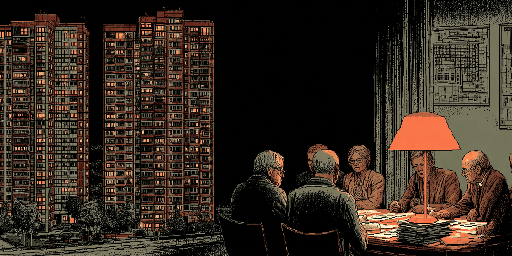
TL;DR: The Building Safety Act 2022 requires every Principal Accountable Person to prepare a resident engagement strategy for their higher-risk building. This means formally setting out how you will inform residents about safety, consult them on decisions, and give them a way to raise concerns. It is a legal duty under section 91, and the Building Safety Regulator expects to see it in practice -- not just on paper.
Check if your building qualifies as higher-risk
Key takeaways:
- The Principal Accountable Person must prepare a resident engagement strategy under section 91 of the Building Safety Act 2022
- Residents have the right to be informed about building safety, consulted on safety decisions, and given a mechanism for raising concerns
- The strategy must cover how you share safety information (sections 89-90), how you consult on decisions, and how you handle complaints (section 93)
- A Residents' Panel is the most practical way to structure ongoing engagement
- Poor engagement is a compliance gap the BSR actively looks for during Building Assessment Certificate assessments
- Your engagement records form part of the Golden Thread of building information
Why Resident Engagement Is a Legal Duty
Before the Building Safety Act, resident engagement in building safety was largely informal. Building managers might send occasional newsletters or hold an annual general meeting. Residents who raised concerns about fire doors, cladding, or escape routes often felt ignored.
The Principal Accountable Person must prepare a residents' engagement strategy describing how building safety information will be shared with residents and how residents will be consulted on safety decisions.
— Building Safety Act 2022, s.91
The Grenfell Tower tragedy and Dame Judith Hackitt's Independent Review changed this fundamentally. Hackitt found that residents' concerns had been systematically dismissed. Her review recommended that residents become active participants in building safety -- not passive recipients of management decisions.
The Building Safety Act 2022 turned that recommendation into statute. Section 91 places a specific duty on the Principal Accountable Person (PAP) to prepare a strategy for promoting resident participation in decisions about building safety risk management. This is not optional guidance. It is a legal requirement backed by enforcement powers.
What the Law Requires
The resident engagement framework sits across several sections of the Building Safety Act. Together, they create a comprehensive set of obligations.
Prepare an engagement strategy (s.91)
Under section 91, the PAP must prepare a strategy that:
- Promotes the participation of residents in decisions about building safety risk management
- Sets out how residents will be informed about safety measures and decisions
- Describes how residents' views will be sought on safety-related matters
- Provides a mechanism for residents to raise concerns about building safety
The strategy must be kept under review and updated when circumstances change.
Share safety information with residents (s.89-90)
Sections 89 and 90 require that residents receive information about:
- The building's safety measures and fire safety arrangements
- The evacuation strategy (whether simultaneous evacuation or stay-put)
- Who the Accountable Persons are and how to contact them
- What safety works are planned or in progress
- The status of any fire risk assessment actions
This information must be provided proactively, not only when residents ask for it.
Establish a complaints system (s.93)
Section 93 requires the PAP to establish and operate a complaints system specifically for building safety concerns. This is separate from general property management complaints. The system must be accessible, transparent, and lead to timely action.
If a resident is not satisfied with how their safety concern has been handled, they can escalate to the BSR directly. A well-functioning complaints system reduces the likelihood of this happening -- but the resident's right to escalate exists regardless.
Read the PAP responsibilities guide
Building Your Resident Engagement Strategy: A Practical Approach
The statute tells you what you must do. This section covers how to do it. A good engagement strategy is specific to your building, proportionate to the risks, and practical enough that your team can actually deliver it.
Step 1: Identify your residents and their needs
Start by understanding who lives in your building:
- Owner-occupiers who may have detailed knowledge of the building's history and a financial stake in safety improvements
- Assured shorthold tenants who may not know who the Accountable Person is or how building safety decisions are made
- Vulnerable residents who may need accessible formats, translation, or additional support to participate
- Absent leaseholders (buy-to-let investors) who may sub-let but remain interested in building safety as it affects their asset
A 15-storey tower with 80% owner-occupiers will need a different engagement approach from one with 80% short-term renters. Document these demographics in your strategy.
Step 2: Set up a Residents' Panel
A Residents' Panel is the most effective structure for ongoing engagement. While the Act does not prescribe the exact format, the BSR expects to see structured resident involvement -- and a panel is the most common way to deliver this.
How to set one up:
- Invite participation -- write to all residents explaining the panel's purpose and inviting expressions of interest. Aim for representation across different floor levels, tenure types, and demographics
- Define the scope -- the panel discusses building safety matters, not general property management. Make this clear from the start to avoid scope creep
- Set a meeting frequency -- quarterly is a practical starting point. More frequent if there are active safety works; less frequent if the building has a stable risk profile
- Record minutes -- every meeting should produce minutes recording what was discussed, what residents asked, and what actions were agreed. These minutes form part of your Golden Thread
- Report back -- after each meeting, share a summary with all residents (not just panel members). This demonstrates that the panel's input is being heard and acted upon
Step 3: Establish communication channels
Not every resident will join the panel. You need additional channels to reach all residents:
| Channel | Best for | Frequency |
|---|---|---|
| Notice board (physical + digital) | Evacuation strategy, AP contact details, emergency procedures | Updated whenever changes occur |
| Email updates | Safety works progress, fire risk assessment outcomes, seasonal reminders | Quarterly minimum, plus ad-hoc for significant events |
| Resident portal | Self-service access to building safety documents, reporting concerns, viewing action status | Always available |
| In-person meetings | Major safety decisions, new works consultations, post-incident briefings | As needed |
| Translated materials | Buildings with residents who have limited English proficiency | Match all key communications |
Brocade includes a resident portal that gives leaseholders direct access to building safety information -- fire risk assessment status, safety works progress, and a channel for raising concerns. This kind of transparency builds trust and reduces the volume of ad-hoc enquiries to your management team. Book a demo to see how it works.
Step 4: Design your information-sharing process
Section 89 requires you to provide safety information proactively. Build this into your regular operations:
On an ongoing basis:
- Display the current evacuation strategy in common areas and provide a copy to every new resident
- Make Personal Emergency Evacuation Plans (PEEPs) available for residents who need them
- Publish the names and contact details of the Accountable Persons and the single named individual designated as point of contact for the BSR (required under SI 2023/909 — the Higher-Risk Buildings (Management of Safety Risks etc) Regulations 2023 — where the PAP is a body corporate)
After key events:
- Share fire risk assessment outcomes and planned remediation works within 28 days of completion
- Notify residents of any changes to the evacuation strategy
- Communicate the outcome of any mandatory occurrence reports that affect resident safety (while respecting any investigation confidentiality requirements)
Annually:
- Provide a building safety summary covering the year's assessments, maintenance, works completed, and planned activities for the coming year
Step 5: Implement your complaints system
The section 93 complaints system needs specific elements:
- A clear submission process -- residents must know how to raise a safety concern (email, online form, physical letterbox, or all three)
- Acknowledgement timelines -- confirm receipt within a defined period (five working days is reasonable)
- Investigation process -- describe how concerns are investigated and by whom
- Response timelines -- commit to a substantive response within a defined period (28 days is common practice)
- Escalation path -- explain that residents can refer unresolved concerns to the BSR
- Record-keeping -- log every complaint, investigation, and outcome in your Golden Thread
A scenario to make this concrete
Imagine you are the PAP for a 10-storey residential building with 45 flats. You have just completed a fire risk assessment that identified 12 actions, including replacement of three fire doors on the eighth floor and remedial fire stopping work in two service risers.
Without an engagement strategy: You commission the works, contractors come and go, and residents on the eighth floor wonder why their fire doors are being replaced. A resident on the ninth floor notices a hole in the corridor ceiling from the fire stopping work and files a complaint with the BSR, believing the building is unsafe.
With an engagement strategy: You email all residents summarising the fire risk assessment findings and the planned works. The Residents' Panel reviews the action plan at their quarterly meeting. You post updates in the resident portal showing progress on each action. The ninth-floor resident sees the ceiling work explained as "fire stopping remediation -- work in progress, completion expected 15 April" and understands it is a safety improvement, not a safety failure.
The difference is not just compliance. It is the difference between a building where residents trust the management and one where residents escalate to the regulator.
Resident Engagement Strategy Template
Free downloadable resident engagement strategy template for higher-risk buildings. Covers statutory requirements under BSA 2022 s.91, Residents' Panel setup, communication plans, complaints handling, information sharing, and accessibility considerations. Structured as a practical checklist with regulation references.
What the BSR Expects to See
When the BSR assesses your building for a Building Assessment Certificate, your resident engagement strategy is one of the things they review. Based on the BSR's published approach, they are looking for:
Residents of higher-risk buildings have a legal right to request building safety information from the Accountable Person. Failure to provide it within a reasonable timeframe is a breach of the Act.
- Evidence that a strategy exists -- a written document, not just an informal approach
- Evidence that it is being followed -- meeting minutes, communication records, complaint logs
- Evidence that residents can participate -- a Residents' Panel or equivalent, accessible communication channels, accessible complaint mechanisms
- Evidence that complaints are handled -- a log showing complaints received, investigated, and resolved
- Evidence that information is shared -- records of what was communicated to residents and when
A strategy that exists only as a document in a filing cabinet, with no evidence of implementation, will not satisfy the BSR. They want to see the strategy working in practice.
Not sure whether your building qualifies as higher-risk? Our guide to higher-risk building criteria under the Building Safety Act explains the height and residential unit thresholds that determine which buildings require a resident engagement strategy.
See how Brocade helps you track resident engagement
Common Mistakes to Avoid
1. Treating engagement as a one-off exercise
Writing a strategy document and filing it away is not compliance. The strategy must be a living document, reviewed regularly and updated when your building's circumstances change. The BSR will ask for evidence of ongoing engagement, not just a policy.
2. Confusing general property management with building safety engagement
Your resident engagement strategy under section 91 is specifically about building safety. It is not your AGM agenda, your service charge consultation process, or your general complaints procedure (though it may overlap). Keep the building safety focus distinct.
3. Limiting engagement to owner-occupiers
All residents -- including assured shorthold tenants and sub-tenants -- have the right to be informed and consulted about building safety. Your engagement channels must reach everyone who lives in the building, not just those who attend AGMs or own the lease.
4. Not recording engagement activities
If you held a Residents' Panel meeting but did not take minutes, you cannot evidence that engagement happened. If you sent an email update but did not save a copy, you cannot demonstrate compliance. Document everything. Your engagement records are part of the Golden Thread and your evidence for the due diligence defence.
5. Ignoring the complaints system
Section 93 requires a separate complaints system for building safety. If you are routing all complaints through a general property management inbox with no specific tracking for safety concerns, you are likely non-compliant. Safety complaints need their own process, their own timeline, and their own records.
Frequently Asked Questions
What is a resident engagement strategy under the Building Safety Act?
A resident engagement strategy is a formal document that the Principal Accountable Person must prepare under section 91 of the Building Safety Act 2022. It sets out how residents of a higher-risk building will be informed about building safety, consulted on safety decisions, and given a mechanism to raise safety concerns.
Do I need a Residents' Panel for my higher-risk building?
If residents request one, you must facilitate it. Section 91 of the Building Safety Act requires the PAP to promote resident participation in building safety decisions. While the Act does not mandate a panel in every building, the BSR expects the engagement strategy to include provisions for structured resident involvement, and a Residents' Panel is the most common way to achieve this.
What building safety information must residents receive?
Under sections 89 and 90 of the Building Safety Act, residents must be provided with information about the building's safety measures, fire safety arrangements, and how to report concerns. This includes the current fire risk assessment status, evacuation strategy, and the names and contact details of the Accountable Persons responsible for the building.
What happens if I do not have a resident engagement strategy?
Failure to prepare a resident engagement strategy is a breach of section 91. The Building Safety Regulator can issue compliance notices requiring you to prepare one, and continued non-compliance can lead to enforcement action. Beyond the legal risk, poor engagement increases the likelihood of resident complaints escalating to the BSR.
How often should a resident engagement strategy be reviewed?
There is no prescribed review frequency in the Act, but annual review is considered good practice. You should also update the strategy after significant changes such as new safety works, a change in management arrangements, or feedback from residents indicating the current approach is not working.
Further Reading
- Principal Accountable Person Responsibilities Guide -- who holds the PAP role and their full obligations
- Accountable Person Duties Under the Building Safety Act -- AP obligations including resident engagement
- The Complete Golden Thread Guide -- your engagement records are part of the Golden Thread
- PEEPs Guide: What Building Managers Need to Know -- Personal Emergency Evacuation Plans that residents should have access to
- What Is a Building Safety Case? -- how safety case information connects to resident communication
- Building Safety Act Complete Guide -- comprehensive overview of the full BSA regime
- Higher-Risk Buildings: Definition and Criteria -- which buildings require engagement strategies
- Golden Thread in Practice -- building the audit trail that includes engagement records
- Section 20 Consultation and the Building Safety Act -- financial consultation requirements that interact with engagement
This article is for informational purposes. For building-specific advice, consult a qualified fire safety professional.
Stay ahead of compliance deadlines -- get regulatory updates delivered monthly